





What is a Non-Disclosure Agreement (NDA) in Businesses for Sale?
Introduction
When buying or selling a business, sensitive information is the core asset—financial records, client databases, supplier contracts, and operational strategies. A Non-Disclosure Agreement (NDA) is the legal gatekeeper that protects this information before it’s shared with potential buyers.
In business brokerage—especially in competitive markets like Dubai—NDAs are not optional. They are the foundation of every serious transaction.
What is a Non-Disclosure Agreement?
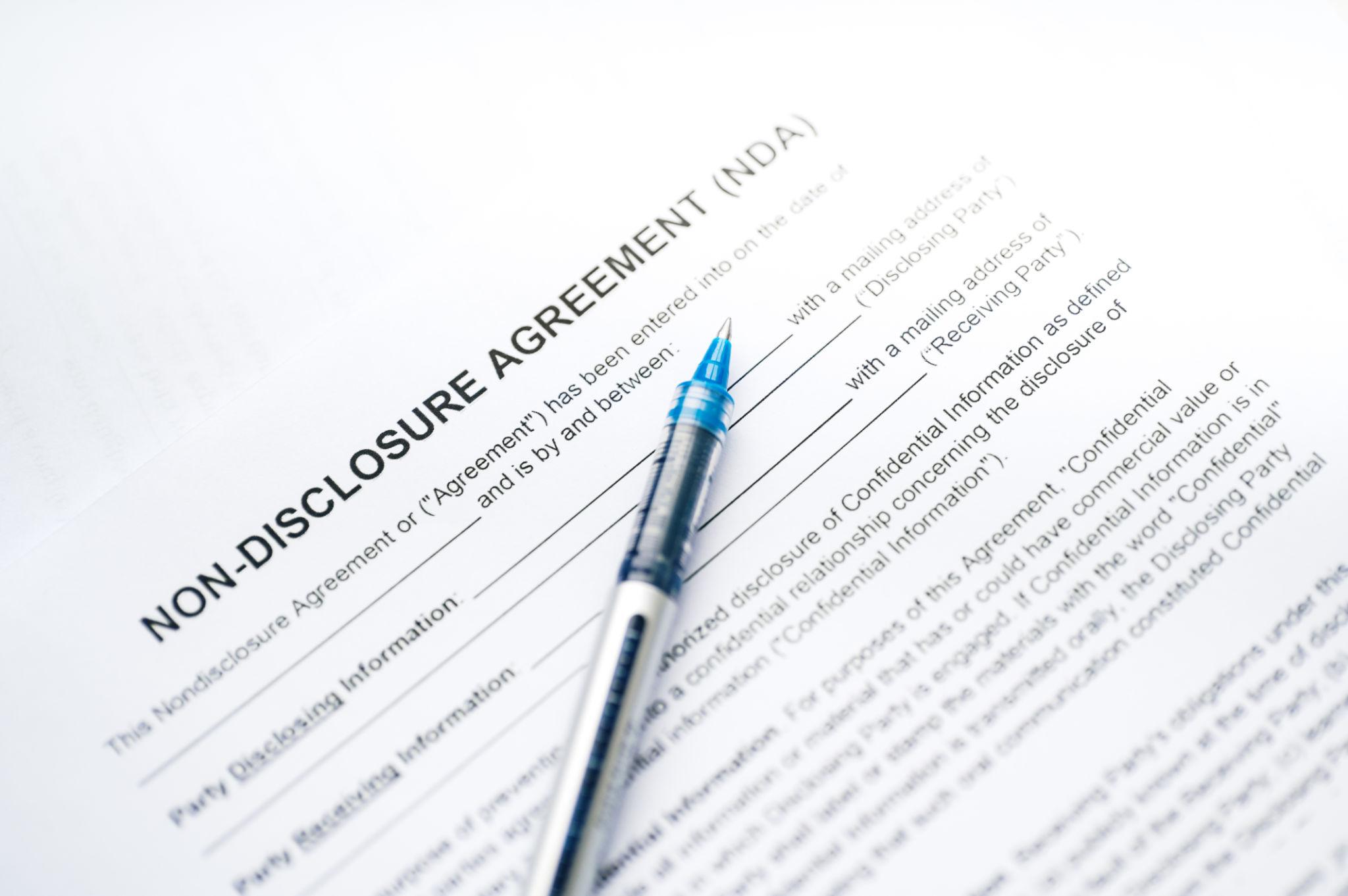
A Non-Disclosure Agreement (NDA) is a legally binding contract between two or more parties that ensures confidential business information is not disclosed to unauthorized individuals or used for any purpose outside the intended transaction.
In simple terms:
It allows a seller to share critical business data with a buyer without risking misuse or exposure.
Why NDAs Are Critical in Business Sales
1. Protects Sensitive Business Information
Before a buyer evaluates a business, they need access to:
-
Financial statements
-
Customer and supplier data
-
Lease agreements
-
Trade secrets
Without an NDA, sharing this information could expose the business to competitors or internal risks.
2. Maintains Business Stability
If employees, customers, or competitors discover a business is for sale prematurely:
-
Staff may resign
-
Customers may lose confidence
-
Competitors may exploit the situation
An NDA ensures confidentiality during negotiations.
3. Filters Serious Buyers
Requiring an NDA naturally screens out:
-
Casual inquiries
-
Competitors fishing for information
-
Non-serious buyers
Only committed buyers proceed beyond this stage.
What Does an NDA Typically Include?
A well-structured NDA in a business sale covers:
• Definition of Confidential Information
Clearly states what information is protected (financials, operations, IP, etc.)
• Obligations of the Receiving Party
The buyer agrees to:
-
Not disclose information
-
Not use it outside evaluation purposes
• Duration of Confidentiality
Usually ranges from 1 to 5 years, depending on deal complexity.
• Non-Circumvention Clause
Prevents the buyer from bypassing the broker or contacting the seller directly.
• Return or Destruction of Information
If the deal doesn’t proceed, all documents must be returned or destroyed.
When is an NDA Signed?
In a standard business sale process:
-
Buyer shows interest
-
Broker shares teaser (basic, non-sensitive info)
-
Buyer signs NDA
-
Detailed information is released
-
Negotiation begins
No serious broker will disclose full details before an NDA is signed.
NDA in Dubai Business Sales (Local Context)
In Dubai’s business brokerage market:
-
NDAs are standard practice across all industries (F&B, clinics, salons, retail, etc.)
-
They are often required before sharing location, brand name, or financials
-
Many sellers insist on identity verification + NDA before any disclosure
This is especially important in high-traffic, competitive sectors like restaurants or medical businesses.
Common Mistakes to Avoid
-
Signing without reading – Always review clauses carefully
-
Ignoring non-compete implications – Some NDAs restrict future actions
-
Sharing info after NDA breach – Enforceability depends on proper use
-
Using generic templates – Poorly drafted NDAs can be legally weak
Final Thoughts
An NDA is not just a formality—it is a strategic protection tool that enables trust between buyer and seller.
For sellers, it safeguards the business.
For buyers, it provides structured access to real data.
For brokers, it ensures a controlled and professional transaction environment.
In any serious business sale, no NDA = no deal progression.









Sharing Is Caring!