


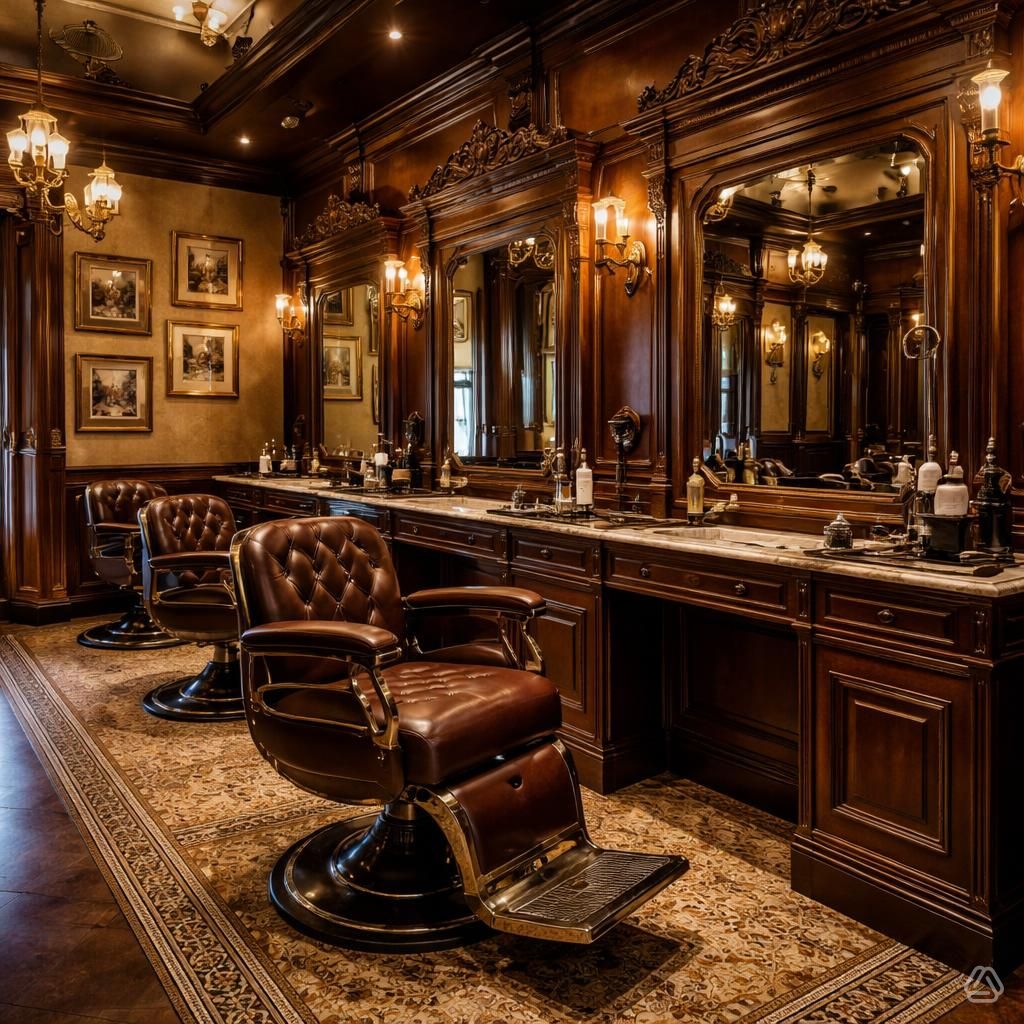


A barber shop can look like one of the easiest businesses to buy in Dubai. The fit-out is already done, the chairs are full, the cash comes in daily, and the asking price is usually small enough to feel low-risk. That combination pulls in a lot of first-time buyers.
Why Barber Shops Are Popular Buys in Dubai
Demand for grooming services in Dubai is steady and largely recession-resistant. Men get haircuts in good times and bad, appointments repeat on a predictable cycle, and the average customer lives or works nearby. A well-run shop in the right location generates consistent, low-drama cash flow without the seasonal swings you see in tourism or hospitality.
The entry ticket is also relatively low compared with clinics, gyms or restaurants, which makes a barber shop an attractive first acquisition for someone wanting to own a business in the UAE without committing to a large investment.
All of that is real. The catch is that the same features that make a barber shop appealing also make it easy to overpay — because the risks are hidden, not obvious.
1. The Trade License and Approvals
Start with the paperwork, because nothing else matters if the business can't legally operate under you.
A barber shop in Dubai runs on a commercial trade license issued through the Department of Economy and Tourism (DET, formerly Dubai Economy), with the grooming activity listed on it. Men's salons and barber shops also typically require health and hygiene approvals from Dubai Municipality. Before you commit, confirm:
- The license is valid and current, with no lapses or pending renewals
- The activities listed actually match what the shop does
- There are no outstanding fines attached to the establishment
- Whether the business sits in mainland or a free zone, as this affects how ownership transfers
You'll usually be buying the shares of the company or transferring the license — the exact route depends on the structure. Have the seller's setup reviewed by a business setup specialist or a broker who handles transfers, so you know precisely what you're acquiring and what it costs to move it into your name.
2. The Lease — Often the Most Valuable (or Most Dangerous) Asset
For a barber shop, the lease can be worth more than everything inside the unit combined. Location and rent terms make or break the business.
Check the Ejari (the registered tenancy contract) and pin down:
- How many years are left on the lease
- The current rent and any annual escalation built into the contract
- Whether the landlord will transfer or renew the lease for a new owner — get this in writing, not as a verbal "no problem"
- Any service charges or chiller fees on top of base rent
A shop with great numbers but only six months left on a lease the landlord won't renew isn't a business — it's a countdown. Equally, a sudden rent jump at renewal can wipe out the profit you based your offer on. Treat the lease as a core part of due diligence, not a formality.
3. The Real Question: Are Clients Loyal to the Shop or the Barber?
This is the single most overlooked risk in the entire sector, and it deserves more attention than anything else on this list.
In a barber shop, customers often follow a person, not a place. A client who's been getting his fade from the same barber for two years is loyal to that barber. If the seller is also the lead barber — or if the two or three busiest barbers leave after the sale — a large share of the revenue can walk out the door with them.
So before you value the business on its current takings, ask:
- Who actually cuts the hair? Is the owner one of the main barbers?
- If the seller leaves, are the skilled staff staying — and for how long?
- Are the busy barbers on stable contracts, or could a competitor poach them next month?
- How much of the revenue depends on one or two named individuals?
The healthiest barber shops have loyalty to the brand and location, a roster of barbers rather than one star, and systems — booking, branding, consistent service — that keep clients coming back regardless of who holds the clippers. If everything hinges on the owner's own pair of hands, you're not buying a business — you're buying a job that disappears when he stops working.
Where possible, build a handover period and even a short non-compete into the deal, so the seller can't open a new shop down the road and take the clientele with him.
4. Staff, Visas and Chair-Rental Arrangements
Your barbers are the business. Understand exactly how they're employed:
- Are they on the company's visa, and how many visa slots transfer with the sale?
- What are the salary, commission or chair-rental arrangements?
- Are end-of-service liabilities (gratuity) accounted for, and who absorbs them?
- Are any staff working informally or on the wrong visa status? That's a liability you'd inherit.
Some shops run on a chair-rental model where barbers pay for their spot rather than draw a salary. That changes the economics and the risk profile completely, so be clear on which model you're buying into.
5. Equipment, Fit-Out and What It's Actually Worth
Walk the floor and look past the polish:
- Age and condition of chairs, mirrors, sterilisers and tools
- Quality of the fit-out — and how much life is left before a refresh is due
- Whether equipment is owned outright or financed
- What's included in the sale versus what the seller plans to take
Sellers tend to value the fit-out at what they paid for it. You should value it at what it's worth to you today, second-hand and in place. A tired interior in a prime location is fine if the price reflects the refresh you'll need; a beautiful fit-out in a dying spot is a trap.
6. The Numbers That Matter
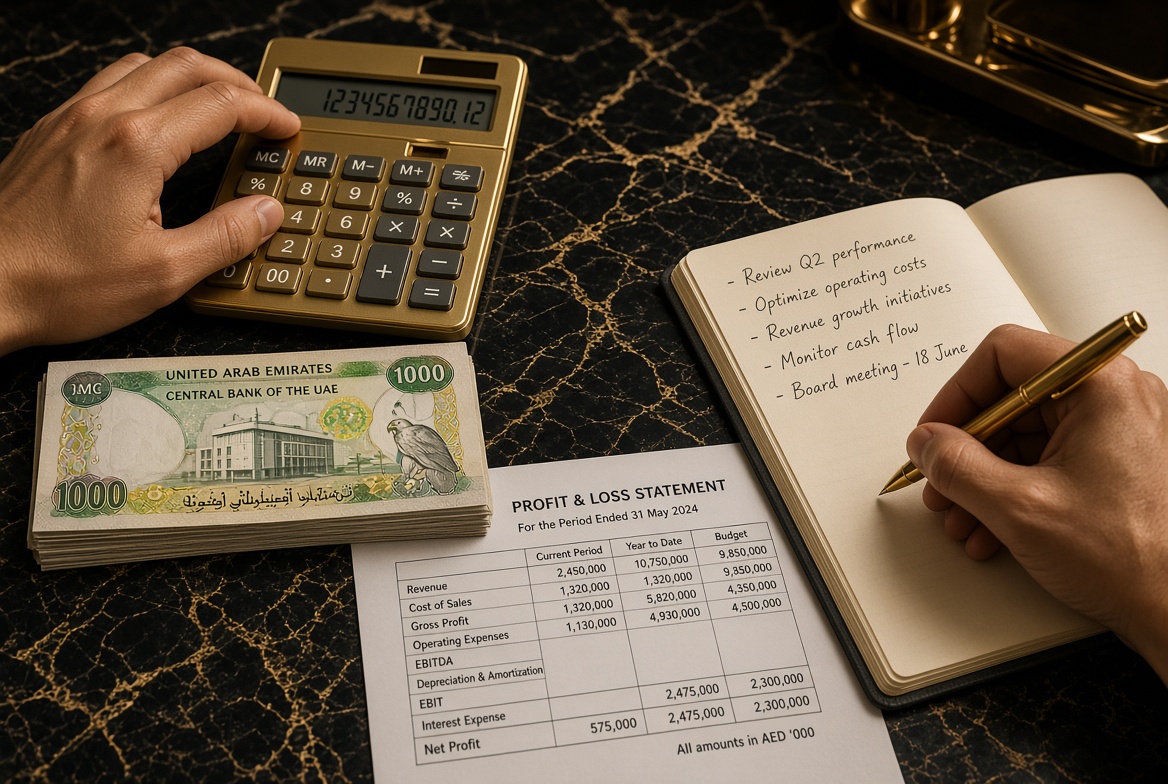
Don't accept "we do good business" — ask for evidence. Request several months of records and look for:
- Daily and monthly revenue, ideally backed by POS or booking-system data
- The split between walk-ins and repeat bookings (repeat is more durable)
- Average ticket value and how many cuts per chair per day
- Running costs: rent, salaries, utilities, products, licensing
- The real net profit after everything — not the top-line takings
Be especially careful with cash-heavy businesses where the "real" numbers live in the owner's head rather than on paper. If the financials can't be verified, that uncertainty should be reflected in the price you offer.
How to Buy a Barber Shop Safely
A clean acquisition usually follows a clear path: sign an NDA to access the seller's information, qualify the opportunity against the checks above, conduct due diligence on the license, lease, staff and finances, agree terms with a handover and transition period, then complete the license or share transfer through the proper channels.
Working with a licensed business broker keeps the process structured and protects both sides — you get verified information and a clean transfer, instead of a handshake deal that unravels three months in.
How much does a barber shop cost to buy in Dubai?
Prices vary widely depending on location, lease terms, size, reputation and profitability. Smaller neighbourhood shops sit at the lower end, while established, well-located shops with strong repeat clientele command more. Always weigh the asking price against verified profit and the remaining lease.
Do I need a special license to run a barber shop in Dubai?
Yes. You'll need a commercial trade license through the Department of Economy and Tourism with the grooming activity listed, plus the relevant Dubai Municipality health and hygiene approvals. Confirm the exact requirements for your specific setup before buying.
What's the biggest risk when buying a barber shop?
Losing the clientele. If customers are loyal to specific barbers rather than the shop, and those barbers leave after the sale, revenue can drop sharply. Always check who holds the client relationships before agreeing a price.
Can I transfer the existing lease to my name?
Sometimes — it depends on the landlord. Never assume the lease transfers automatically. Get the landlord's position in writing as part of your due diligence.
The Right Barber Shop Is a System, Not a Space
In Dubai's grooming market, the best acquisitions are not the most luxurious interiors — they are the most stable operational systems with predictable revenue and low dependency risk. Due diligence is not optional. It is the difference between buying a business and buying a liability.
A well-evaluated barber shop can deliver immediate cash flow and long-term scalability. A poorly evaluated one becomes a costly operational burden. The checks above exist to make sure you know which one you're looking at before you commit.
Ready to Buy the Right Barber Shop?
At BusinessesForSale.ae, we connect serious buyers with verified barber shop and salon opportunities across Dubai — and guide you through NDAs, due diligence and a clean transfer from first enquiry to handover. Every listing we work with goes through qualification before it reaches you, so you're not starting from scratch.
Browse barber shops and salons for sale in Dubai → or get in touch to tell us what you're looking for.
.jpg)






Sharing Is Caring!