



.jpg)
Dubai's fitness market is growing at nearly 9% per year. Over 1,200 gyms operate across the emirate. Demand is structural — driven by government campaigns, corporate wellness mandates, and a health-conscious population that spends seriously on fitness. For buyers, that context matters. A well-acquired gym here is a cash-flowing asset in one of the world's strongest fitness markets.
But gyms are more complex to buy than a salon or a café. The value sits in things that are hard to see — membership loyalty, equipment lifecycle, lease security, and regulatory compliance. Here's what to focus on.
What Does a Gym Cost to Buy?
AED 150,000 – 350,000 — small boutique studios (Pilates, yoga, boxing boxes), 30–100 members. Revenue AED 15,000–40,000/month. Often instructor-dependent.
AED 350,000 – 800,000 — established mid-range gyms, 100–300 members, full cardio and strength equipment, group classes, 3–8 staff. One live BFS listing: 4,500 sqft, AED 40,000/month revenue, AED 30,000/month net profit, AED 160,000 annual rent.
AED 800,000 – 2,000,000+ — premium multi-service facilities with 300+ members, PT programmes, corporate wellness contracts, retail, and recovery services. Valued at 2–4× normalised EBITDA.
The 4 Things That Actually Drive Value
1. The membership base — and who it belongs to The member count is not the number that matters. What matters is whether members are loyal to the brand and location, or to a specific trainer. If the head PT leaves after the sale, owner-dependent revenue leaves with them. Ask for 12 months of monthly membership data — additions, cancellations, and churn rate. Healthy UAE benchmark: below 5% monthly churn, above 68% retention.
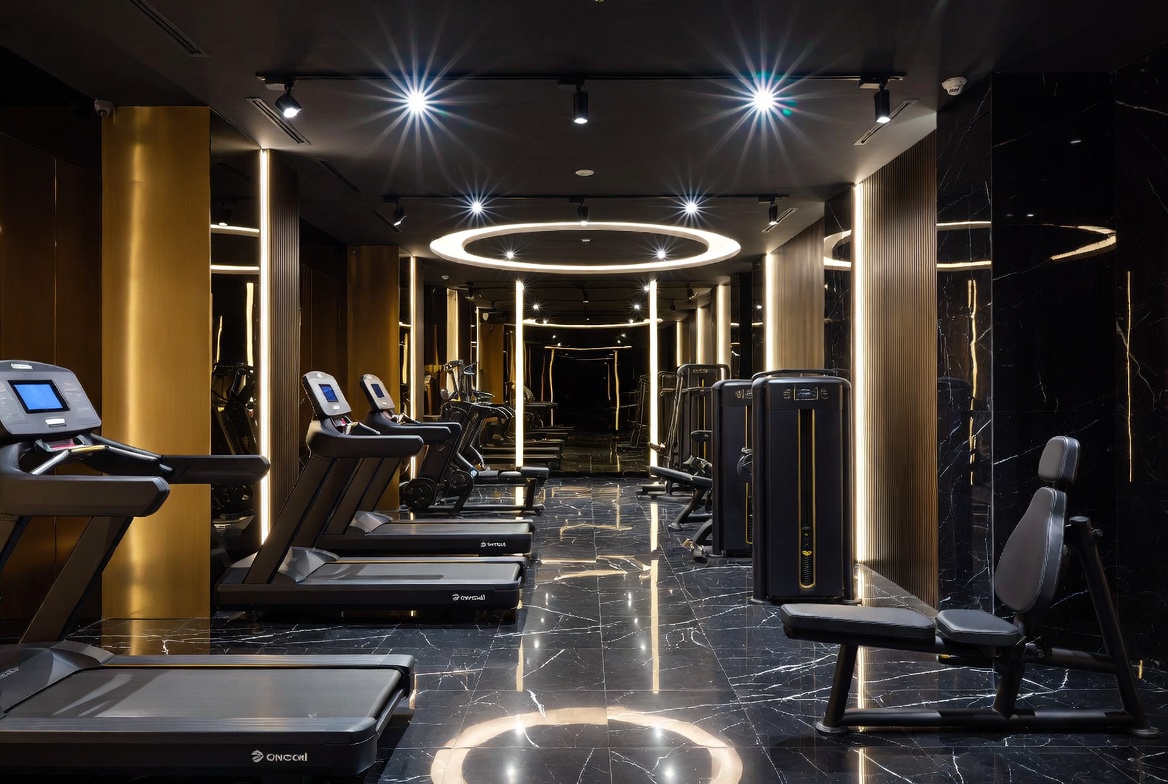
2. Equipment condition Commercial gym equipment in heavy daily use degrades fast. A treadmill running 8–12 hours a day in a Dubai gym has a real lifecycle. Walk the floor. Test every cardio machine. Check maintenance logs. A gym with 20 machines averaging 5+ years of use may be 1–2 years from a significant replacement cycle — factor that into your offer.
3. The lease A gym fit-out costs AED 200,000–600,000. That investment is fixed to the premises. If the lease expires and cannot be renewed, the fit-out value disappears. Confirm at least 2 years remaining, landlord NOC for transfer in writing, and what rent escalation looks like on renewal.
4. DSC and licensing compliance Every gym in Dubai requires three approvals beyond the DET trade license: Dubai Sports Council (DSC) approval, Dubai Municipality health clearance, and Civil Defence fire safety sign-off. DSC is the one buyers miss most often. All trainers must hold individual DSC registrations — if even one is unregistered, that is a live compliance liability. Verify all three approvals are current before proceeding.
What a Gym Actually Earns
A mid-range gym with 200 active members running a hybrid model typically generates:
- Memberships (200 @ AED 350 avg): AED 70,000/month
- Personal training (3 PTs on revenue share): AED 25,000–40,000/month
- Corporate wellness contracts: AED 15,000–25,000/month
- Retail and supplements: AED 5,000–10,000/month
Total gross: AED 115,000–145,000/month
After rent, staff, utilities, and compliance costs — net profit of AED 20,000–50,000/month is realistic. That is a 15–35% margin for an operator running a tight hybrid model.
5 Things to Verify Before You Sign
- Bank statements vs the stated revenue — 12–24 months minimum
- Active membership export — contract type, monthly fee, churn data
- DSC, Municipality, and Civil Defence approvals — current and valid
- Lease term and landlord NOC — in writing, not verbal
- Staff gratuity liabilities — calculate outstanding end-of-service for all staff before agreeing on price
The Transfer Timeline
A straightforward mainland gym acquisition runs 60–90 days from MoU to completed DET license transfer. Gyms with multiple regulatory approvals may take longer if any authority requires reapplication rather than a straight ownership change.
Serious enquiries only.
contact us at businessesforsale.ae.



Sharing Is Caring!