




.jpg)
Dubai welcomed 19.59 million international overnight visitors in 2025 — its third consecutive record year. Hotel occupancy reached 80.7%. RevPAR leads the entire MENA region. The fundamentals are structural, not cyclical, and they are not going away.
But buying a hotel in Dubai is more complex than any other business acquisition. There are three distinct models, a layered regulatory framework, and valuation methods used nowhere else in SME transactions.
The Three Models
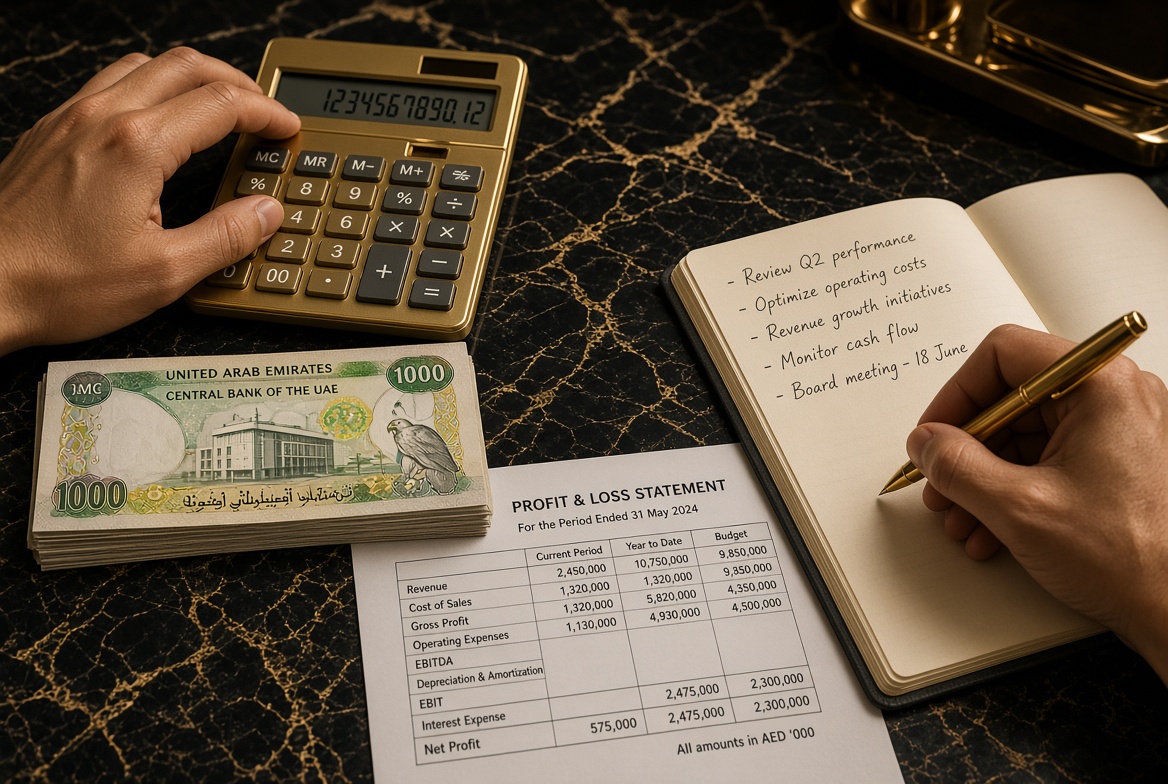
Full hotel or hotel apartment building — acquiring an entire operating hospitality business as a going concern. You buy the DTCM classification licence, management team, bookings pipeline, F&B outlets, and the physical asset or long-term lease. Price range: AED 5M for a small boutique or unbranded property to AED 100M+ for a branded full-service hotel. Net operating margins run 25–40% of total revenue for a well-managed mid-market property.
Hotel apartment unit (strata title) — buying a single furnished unit within a hotel complex, held on freehold title, with income generated through the operator's management agreement. Entry from AED 450,000; average asking price around AED 1.84M. Three income models available: fixed guaranteed return, revenue share, or hybrid. The management agreement governs everything — read it before anything else.
Holiday home portfolio — acquiring a managed portfolio of furnished apartments operating under DTCM holiday home permits on Airbnb, Booking.com, and direct bookings. One active listing operates 67 units in Dubai with strong recurring OTA revenue. Short-term rental gross yields run 10–14% in prime areas, but net yields after operating costs are significantly lower.
How Hotels Are Valued
Hotels use different valuation methods from standard business acquisitions — understanding them is essential before making an offer.
Income approach (primary method): Net Operating Income ÷ Cap Rate. Dubai hospitality cap rates run 6–9% depending on location, brand, and asset quality. A hotel generating AED 3M NOI at a 7% cap rate values at approximately AED 43M.
RevPAR cross-check: Price per key as a multiple of annual RevPAR. Dubai mid-market hotels typically trade at 6–10× annual RevPAR per key. A 50-key hotel with AED 450 ADR at 75% occupancy generates ~AED 123,000 RevPAR per key annually — implying AED 738k–1.23M per key at the typical range.
Asset-based floor: For distressed or newly opened properties, replacement cost (land, construction, FF&E, pre-opening) sets the minimum value a rational seller will accept.
DTCM Licensing — What Every Buyer Must Know
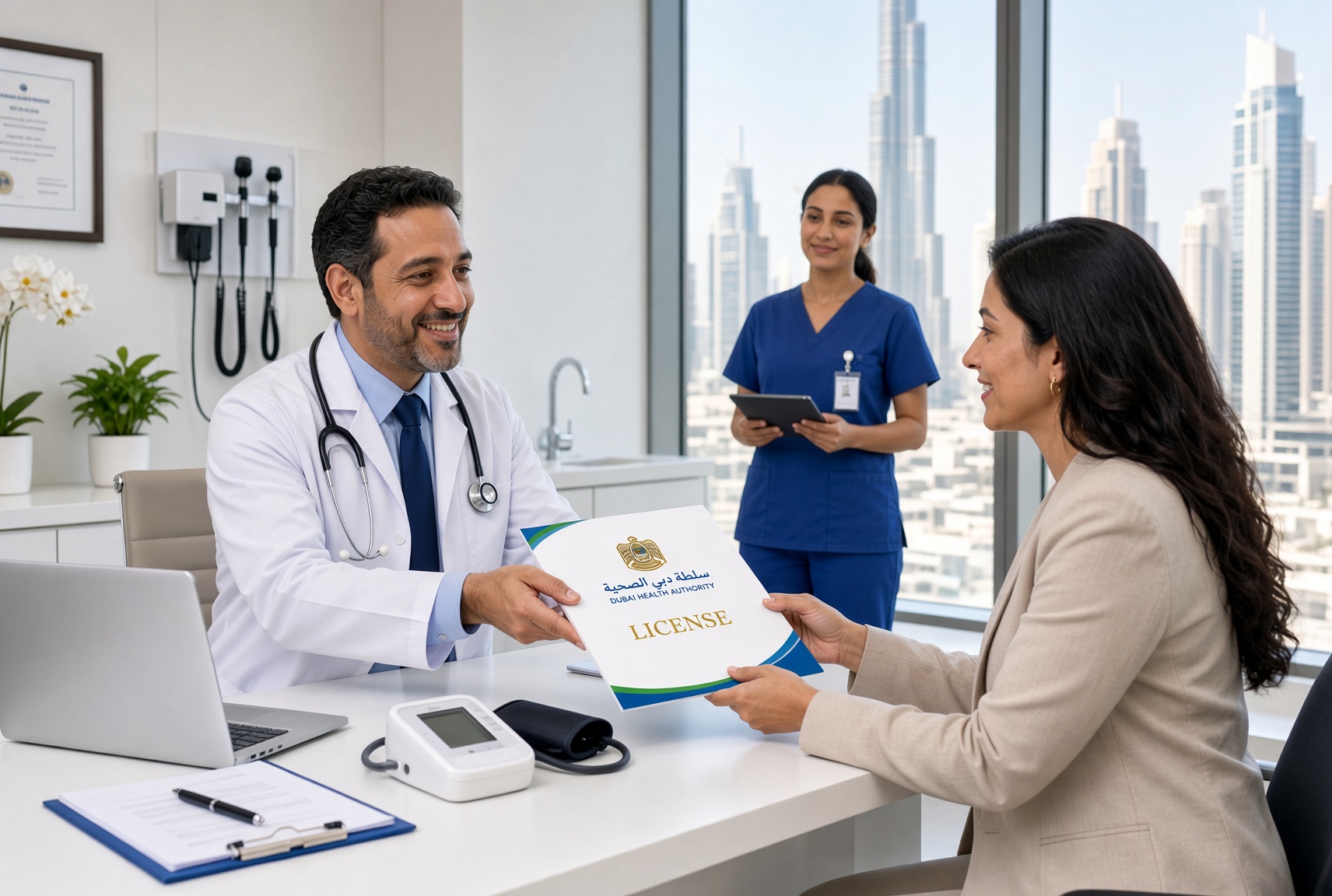
Every hotel in Dubai requires a DTCM classification licence from the Department of Economy and Tourism — separate from the DED trade licence. This governs the star rating, permitted services, key count, and F&B authorisations.
When buying an existing hotel, the DTCM licence must transfer to the new operator. DET evaluates the incoming operator's qualifications and management structure — add 30–60 days to your transfer timeline for this approval.
Additional compliance obligations: Tourism Dirham (AED 7–20 per room per night, collected from guests and remitted to government), registered guest documentation at check-in, annual DET facility inspection, and Civil Defence fire safety compliance.
Critical: Outstanding Tourism Dirham liabilities transfer with the operating business. Verify the remittance is current before signing anything.
For holiday home portfolios: every unit needs a current DET holiday home permit (AED 1,520/year). Operating without one carries fines of AED 5,000–50,000 and immediate OTA delisting.
5 Things to Verify Before You Buy
1. Three years of RevPAR and occupancy data — monthly, not annual. Understand the seasonal floor (June–August) as well as the peak ceiling (October–April).
2. The management agreement — base fee (typically 2–4% of revenue), incentive fee (8–12% of GOP), brand licence, operator termination rights. A poorly structured agreement can lock you into an underperforming operator for 10–20 years.
3. DTCM licence status — current, valid, not pending downgrade. Confirm the key count matches actual operations and the most recent inspection has no outstanding notices.
4. F&B and liquor licences — restaurants need Dubai Municipality approval; alcohol service needs a Dubai Police liquor licence. Both must be current and transferable.
5. Staff gratuity liabilities — a 50-key hotel may employ 40–80 people. Total gratuity obligations for long-tenured staff can reach AED 500,000–2,000,000+. Agree in writing who absorbs this before completion.
For serious enquiries only.





Sharing Is Caring!