




.jpg)
Dubai's restaurant sector is the most active, most competitive, and fastest-growing food and beverage market in the region. The UAE foodservice market is expected to grow from USD 23.21 billion in 2025 to USD 27.28 billion in 2026, and is forecast to reach USD 61.21 billion by 2031 — a compound annual growth rate of 17.55%. For buyers, that growth translates into a market with genuine depth across every format — from fast casual to fine dining — and consistent, recurring demand driven by a city that eats out more than almost anywhere else on earth.
The average Dubai consumer visits restaurants 2.5 times per week, and one third of UAE consumers plan to increase their spending on dining out — compared to only 19% globally. These are not trends. They are structural spending habits embedded in how Dubai's population — overwhelmingly expatriate, young, and dual-income — actually lives.
But buying a restaurant is one of the most complex business acquisitions you can make. The licensing is multi-layered, the lease is critical, the staff situation is delicate, and the financials require forensic scrutiny. Here is exactly what every serious buyer needs to know before purchasing a restaurant in Dubai in 2026.
1. Understand the Market You Are Buying Into
Dubai alone hosts over 25,000 food establishments, including more than 8,000 full-service restaurants — a density that places the city second only to Paris on a per-capita basis. That density means competition is real. But it also means that well-positioned, well-run restaurants with established customer bases and strong locations are valuable and actively sought by buyers.
In 2024 alone, Dubai issued over 1,200 new restaurant licenses, and the MICHELIN Guide Dubai 2025 awarded the region's inaugural two three-star ratings — cementing the city's global culinary standing and boosting culinary tourism, with gastronomic visitors spending 30 to 40% more per visit than standard leisure tourists.
For buyers, this creates a bifurcated market: a high-volume tier of casual and fast-casual concepts generating strong throughput, and a premium tier of destination dining concepts commanding higher revenue per cover. Both offer strong acquisition opportunities — the key is understanding which tier you are buying into and whether the business model is genuinely sustainable at the asking price.
2. Know the Licensing Structure Before You Review Anything
A restaurant acquisition in Dubai involves transferring not one but multiple licenses and permits — and this is where many buyers underestimate complexity.
Getting a food license in Dubai requires completing two parallel mandatory tracks: a commercial trade license from the Department of Economy and Tourism (DET) with the correct food-related activity registered, and a food establishment permit from Dubai Municipality's Food Safety Department covering the premises, kitchen layout, and HACCP compliance. Neither alone is sufficient — both must be in place before the business can legally handle, prepare, or sell food.
Beyond those two core approvals, depending on the concept, a restaurant may also hold:
- Alcohol license (Type C) — available only for restaurants in licensed hotels or designated zones, costing AED 30,000 to 50,000 upfront with AED 10,000 to 20,000 in annual renewal fees, and requiring DTCM and Dubai Police approval. If the restaurant has an alcohol license and alcohol is a meaningful part of its revenue, this license is part of the business's value — and its transferability must be confirmed before any offer is made
- Entertainment NOC from DTCM — required if the concept includes live music, DJs, or any performance
- Civil Defence (DCD) Fire Safety NOC — mandatory for all commercial kitchens; DCD updated kitchen suppression specifications in Q1 2026, introducing revised requirements for wet chemical agent quantities, mandatory post-discharge cleanup protocol documentation, updated nozzle positioning for deep-fat fryers, and manual pull stations within five metres of all cooking equipment
- Outdoor seating permit — from DET and the relevant municipality if the restaurant has terrace or street seating
- FoodWatch registration — mandatory and free for all food businesses in Dubai
When acquiring a restaurant, every one of these permits must be verified, confirmed as current, and assessed for transferability to the new owner. A single lapsed or non-transferable permit can derail or significantly delay a transaction.
3. The Lease Is As Important As the Business
In Dubai restaurant acquisitions, the lease is frequently the most valuable — or most dangerous — component of the deal. A great restaurant in a poor location with a short remaining lease is worth significantly less than its financials suggest. A great location with a long, well-structured lease is often the primary reason buyers are willing to pay a premium.
Before committing to any restaurant acquisition, verify:
- Remaining lease term and number of renewal options
- Annual rent escalation clauses — what percentage and how frequently
- Whether the landlord's consent is required for the lease transfer, and on what terms
- Whether a new security deposit is required on transfer
- Market fees — Dubai Municipality charges a market fee of 5% of annual rent, payable perpetually, which must be factored into the ongoing cost structure
- Whether the existing lease includes the right to operate the specific concept and cuisine — some landlord agreements in premium locations carry brand or concept restrictions
If the restaurant is in a hotel, mall, or master-developed community, there may be an additional operator or master developer agreement sitting above the lease — confirm what it says about assignment and transfer.
4. Scrutinise the Financials the Right Way
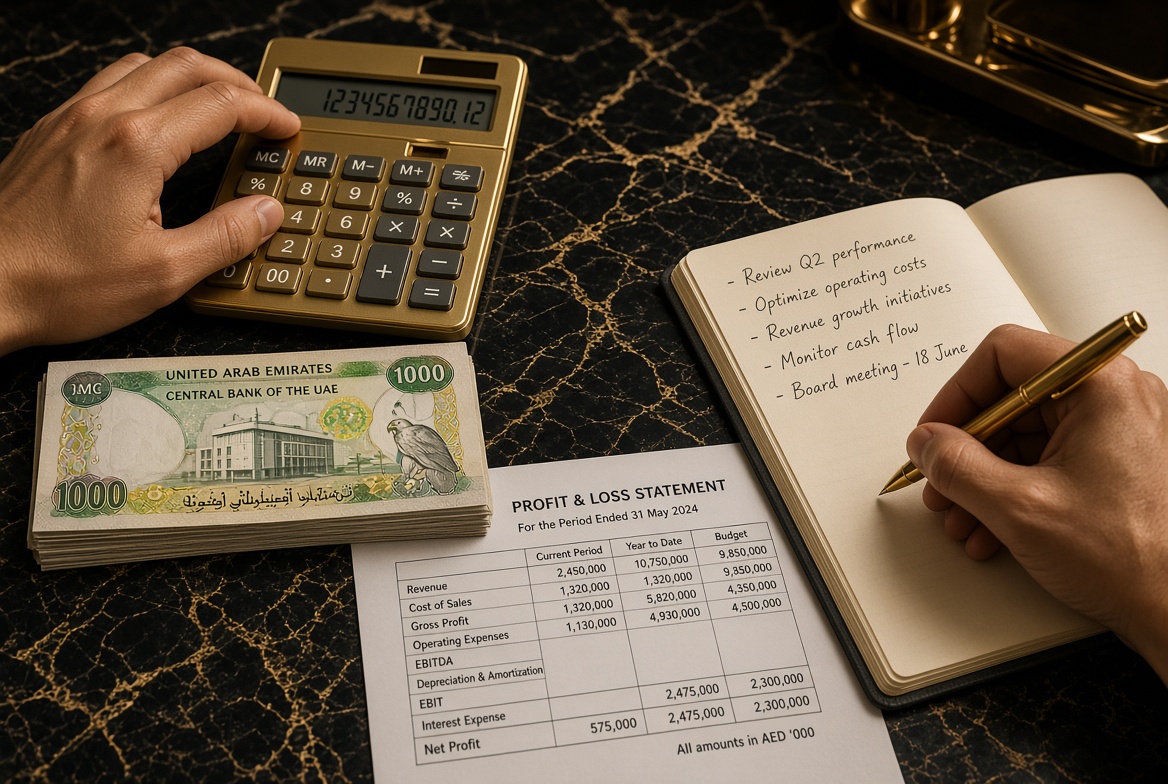
Restaurant financials are among the most manipulable of any business category. Request a minimum of 18 to 24 months of data, and verify it across multiple sources:
- Point-of-sale (POS) records — the most granular and hardest to falsify
- Bank statements — to cross-reference cash and card deposits against reported revenue
- VAT returns filed with the FTA — a reliable independent reference for declared turnover
- COGS (cost of goods sold) as a percentage of revenue — for a full-service restaurant, 28 to 35% is a typical healthy range; above 40% suggests pricing or waste problems
- Labour as a percentage of revenue — typically 25 to 35%; significantly higher indicates structural staffing issues
- Delivery platform revenue split — if Talabat or Deliveroo represent a major revenue share, understand the commission structure and its true impact on net margin
Pay particular attention to seasonal patterns. Dubai restaurants typically see strong performance from October to April, with a material dip during the summer months of June to August. A seller presenting only high-season figures is not giving you the full picture.
5. Assess the Concept's Transferability
Not every restaurant concept transfers cleanly to a new owner. The critical question is: what is the business actually selling — a location and a license, or a concept, a brand, and a loyal customer base?
If the restaurant trades under a franchise or licensed brand, confirm whether the franchisor will approve the ownership transfer and on what terms. If it is an independent concept, assess whether the brand loyalty is tied to the location, the menu, or the existing owner personally. A celebrity-chef concept or an owner-personality-driven dining room carries significantly higher transition risk than a well-located neighbourhood restaurant with consistent, format-driven repeat trade.
Independent restaurants held 62.74% of UAE full-service restaurant market share in 2025 — meaning most of what comes to market is owner-operated independents, where concept transferability is a genuine due diligence question.
6. Understand the Staff Transfer Carefully
Restaurant staff in Dubai operate under MOHRE employment contracts with visa sponsorship tied to the business license. When you acquire the business, you typically inherit the workforce — their contracts, visa sponsorships, WPS payroll obligations, and end-of-service entitlements accrued to date.
Before completing any deal, confirm:
- Full headcount and each staff member's visa and contract status
- Any outstanding MOHRE violations or labour disputes
- DHA Occupational Health Cards are current for all food-handling staff — staff Occupational Health Cards cost AED 300 to AED 600 per person per year and are required for all staff who handle food
- Which staff intend to remain post-handover — particularly the kitchen team and any senior front-of-house staff who carry client relationships
Losing the head chef immediately after acquisition is one of the most common and damaging outcomes in restaurant transactions. Negotiate a structured handover and, where possible, a retention period for key kitchen leadership.
7. Buying vs Starting From Scratch
The total cost of obtaining a restaurant license alone in Dubai ranges from AED 25,000 to AED 150,000 depending on jurisdiction, size, and operational scope — before a single dirham is spent on fit-out, equipment, inventory, or staff. A full fit-out for a 60-seat restaurant adds AED 300,000 to AED 800,000 or more depending on location and finish quality. Then add the six to nine months typically needed to reach consistent profitability from a cold start.
Buying an operational restaurant with an established customer base, a trained team, a compliant kitchen, and a transferable lease eliminates all of that. The risk is different — you are paying for what already exists — but for most buyers, the acquisition route is significantly faster and more capital-efficient than building from zero.
Ready to buy a restaurant in Dubai?
BFS has an active portfolio of restaurant and lounge listings across Dubai's most sought-after dining locations. Contact us today for a confidential consultation and access to our vetted F&B listings.







Sharing Is Caring!