




.jpg)
Buying a compounding pharmacy in Dubai is one of the most defensible healthcare acquisitions in the UAE — high margins, recurring revenue, and a regulatory moat that keeps competition out. But it's also one of the most regulated. Here's what you need to know.
What Is a Compounding Pharmacy?
A compounding pharmacy prepares customised medications based on individual prescriptions — specific doses, delivery forms, or combinations that standard commercial drugs cannot provide. In Dubai, demand comes from hormone therapy clinics, paediatric specialists, aesthetic medicine centres, IV wellness studios, and veterinary practices.
Why Dubai?
- UAE pharmacy market projected to reach $9.5 billion by 2030
- 100% foreign ownership now permitted on Dubai Mainland — no local sponsor required
- 1,495 active pharmacies registered in Dubai by end of 2024, with 49 new licenses issued in Q1 alone
- Compounding sits at the premium end — higher margins, prescription-driven repeat clients, and limited competition
Understanding UCP Certification
UCP refers to United States Pharmacopoeia — the international gold standard for compounding. In Dubai, DHA and MOHAP regulate against three USP chapters:
- USP 795 — Non-sterile (creams, capsules, oral liquids)
- USP 797 — Sterile (IV preparations, injectables)
- USP 800 — Hazardous drugs (oncology, cytotoxic)
A Triple UCP Certified pharmacy holds all three — the broadest compounding mandate available. Most pharmacies in Dubai hold only one or two. Triple certification takes years and significant capital to build from scratch, which is why acquiring an existing certified facility commands a premium.
Who Regulates Compounding Pharmacies in Dubai?
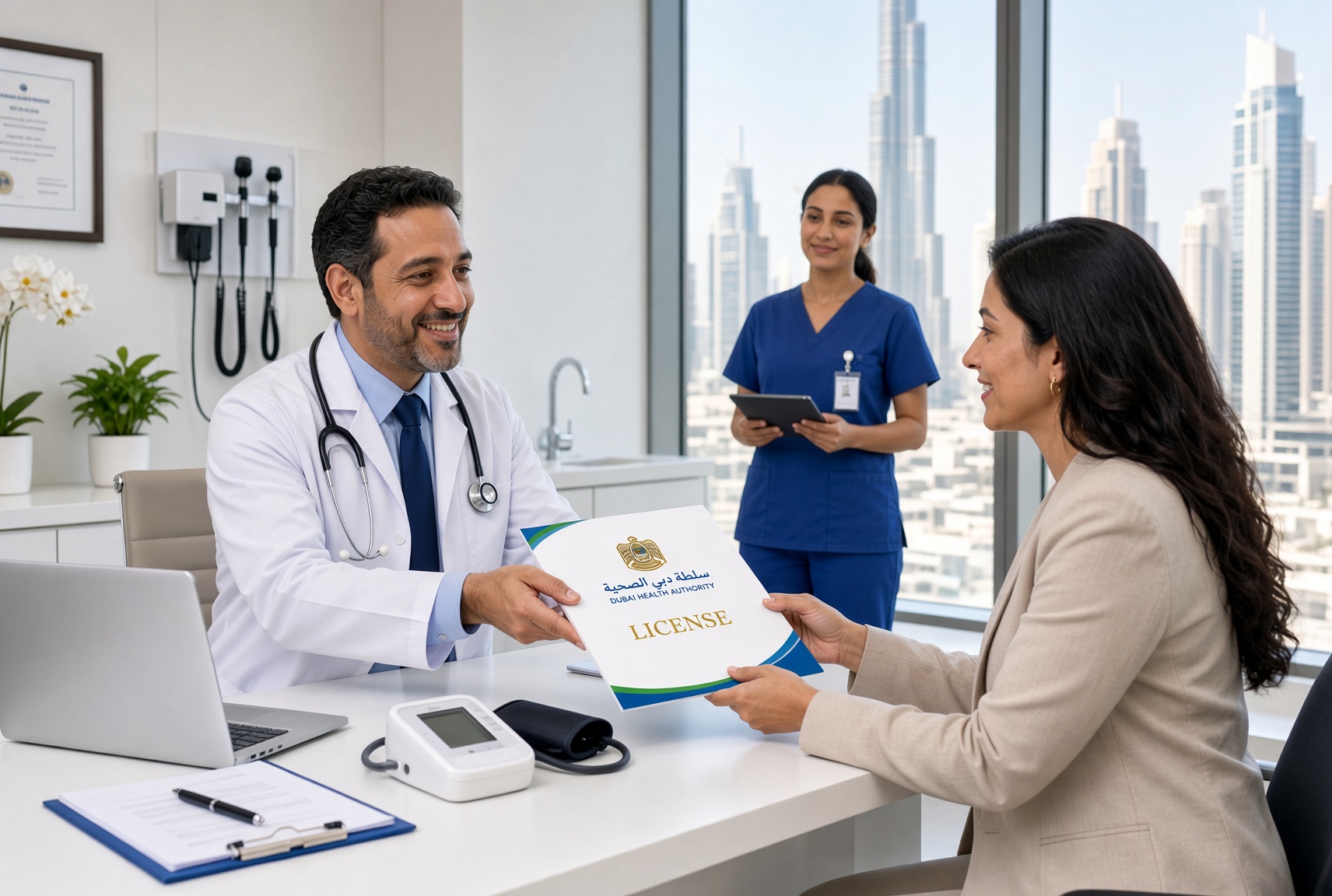
- DHA — facility license, pharmacist licensing, NABIDH integration
- MOHAP — controlled substances, narcotic drug controls, federal compliance
- EDE (Emirates Drug Establishment) — established January 2025; oversees drug registration and API imports
- DET — mainland trade license (activity code 4772.10)
All four must be current and transferable before you sign anything.
Step-by-Step Buying Process
1. Sign an NDA
Required before any financial records, licenses, or the pharmacy's identity are disclosed.
2. Verify the Full License Stack
DHA facility license, DHA pharmacist licenses for all staff, MOHAP controlled substance registration, DET trade license, and all UCP certification documents — check scope, expiry, and transferability.
3. Inspect the Physical Facility
Cleanrooms, laminar flow hoods, autoclaves, isolators — confirm ownership, calibration records, and ISO certification dates. Check SOPs and batch records across all compounding categories.
4. Financial Due Diligence
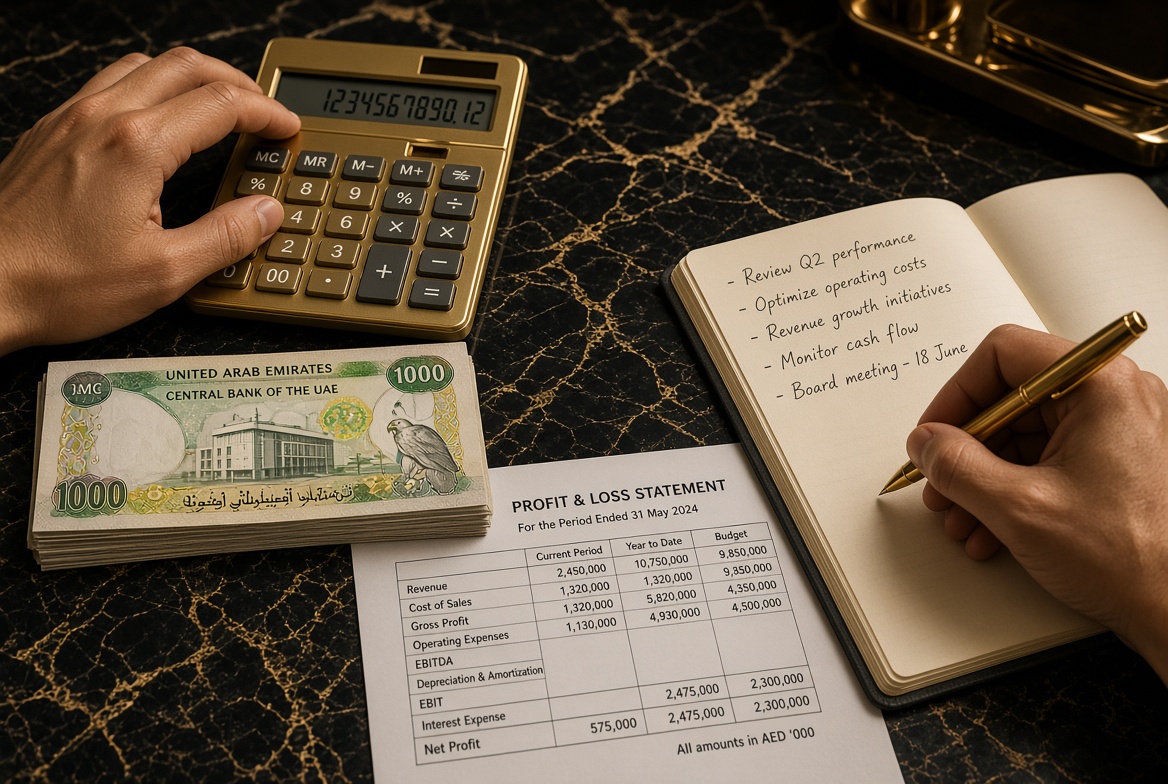
Request 12–24 months of bank statements. Verify revenue by compounding category, gross and net margins, supplier invoices, lease terms, staff costs, and insurance coverage.
5. Assess the Client Base
No single account should exceed 20–25% of revenue. Check hospital formulary contracts for change-of-ownership clauses. High repeat prescription rates signal sustainable revenue.
6. Lock In the Pharmacist-in-Charge
Their personal DHA license is tied to the facility's operating condition. Confirm they will stay through the handover period — replacing a licensed compounder takes time and carries regulatory risk.
7. Structure the Deal
LOI → SPA or Asset Purchase Agreement → DHA and DET license transfer → 30–90 day handover period with previous owner.
What Does It Cost?
- Single certification — AED 1.5M–3M
- Dual certification — AED 3M–7M
- Triple UCP Certified, established clientele — AED 10M–16M+






Sharing Is Caring!