


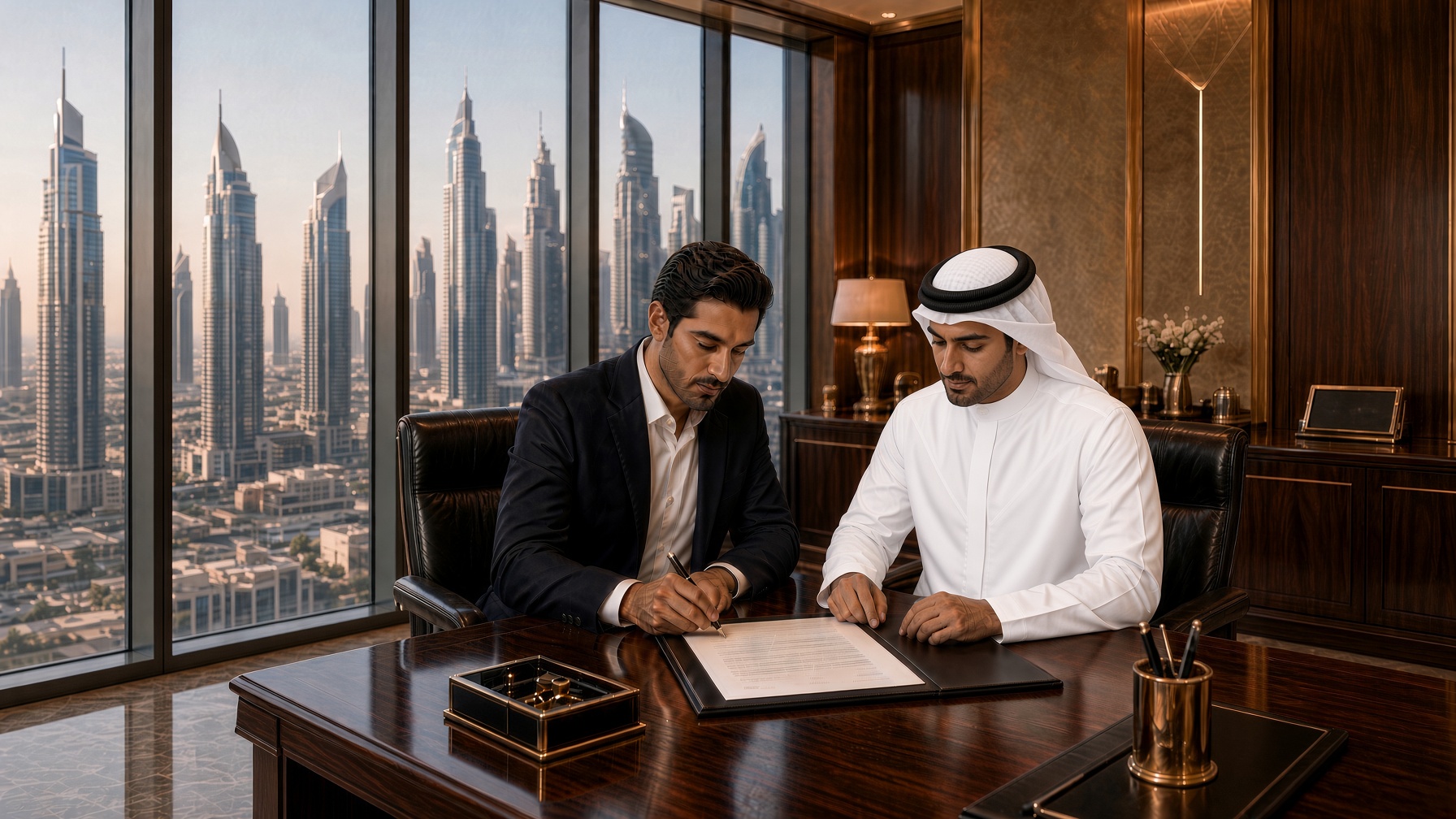


When you buy a free zone business in Dubai, you usually buy the company’s shares. The free zone authority, such as DMCC, Meydan or IFZA, checks the new owner. It then updates the share register and issues an updated licence and company documents. The company keeps its licence, lease and staff visas. If the paperwork is ready, the transfer often takes a few weeks.
A buyer agrees on a price for a salon, signs the MOU and pays the deposit. Then the seller says, “It’s a free zone company, by the way.” The buyer’s next question is always the same: does that change anything?
It does. It doesn’t make the deal harder, but the steps are different from a mainland sale. If you know them before you start, you avoid the delays that catch most people out.
Free zone vs mainland: who approves the sale?
In Dubai, every business is licensed by one authority, and that authority decides how the sale is done.
- Mainland businesses are licensed by the Department of Economy and Tourism (DET). Ownership changes need a notarised amendment to the company’s MOA.
- Free zone businesses are licensed by their own free zone authority, for example DMCC, Meydan Free Zone, IFZA, DAFZA, Dubai South or RAKEZ. The authority is the licensing office and the company registrar at the same time. It handles the whole transfer itself, usually through its online portal.
This is why free zone transfers are often quicker. But each free zone has its own forms, its own fees and its own way of doing things. A DMCC transfer and an IFZA transfer won’t look exactly the same.
What are you actually buying?
In most free zone deals, the buyer takes over the company by buying its shares. The company itself doesn’t change. These stay the same:
- The company name and licence number
- The licence renewal date
- The office or shop lease
- Staff contracts and visas
- The bank account (with new signatories)
- Supplier contracts, booking systems, social media and phone numbers
This is good news for buyers, because the business keeps running from day one. But it also means you take over the company’s history, including any unpaid bills, fines or disputes from before your time. That’s why due diligence matters, and why the sale agreement should state that the seller is responsible for anything from before the transfer date.
Step by step: how a free zone transfer works
1. Agree the deal
The buyer and seller agree the price and terms, sign an MOU and the buyer pays a deposit. With BFS, we hold the deposit until transfer.
2. Check the company’s own rules
Read the company’s Articles of Association. If there are other shareholders, they may have to agree to the sale or get the first chance to buy.
3. Make sure the licence is active
Free zones won’t process a share transfer on an expired licence. If the renewal date is close, renew first.
4. Collect the documents
Both sides prepare their documents (see the list below). Anything signed abroad usually needs to be notarised and attested.
5. Submit the application
The company applies through the free zone’s portal and pays the authority’s fee.
6. Authority review
The free zone checks the buyer’s identity (KYC) and reviews the documents. It may ask for more information.
7. Signing
The transfer documents are signed, either by e-signature or in person at the free zone. If you can’t attend, a notarised power of attorney can usually be used.
8. New documents issued
The free zone issues the updated licence, share certificate and company documents showing the new owner.
After this, the new owner updates the bank signatories and the company’s tax records, and applies for their own investor visa if they want one.
Documents usually needed
Each free zone has its own list, but most ask for:
- A share transfer form or agreement
- A shareholder or board resolution approving the transfer
- Updated Articles of Association
- Passport copies of the seller and buyer (plus visa and Emirates ID if they live in the UAE)
- If the buyer is a company: its licence, company documents and details of who owns it
- The current licence and share certificate
What happens to the staff and visas?
Because the company stays the same, staff keep their jobs and visas. Their employer hasn’t changed, only its owner has.
The seller’s own investor or partner visa is different. It’s linked to the seller’s shares, so it must be cancelled or changed. Free zones often won’t finish the transfer until this is done, so start it early.
One more point: if the business is moved into a different company instead of the shares being sold, staff visas must be cancelled and issued again under the new company. That takes longer and costs more, so it’s worth knowing which route you’re on from the start.
What about the lease?
Many free zone businesses rent their space from the free zone authority or from a developer inside the zone. In a share sale, the lease stays with the company. Still, read the lease for any clause about a change of owner, and tell the landlord early. For more, read our guide on what happens to your lease and the landlord’s approval.
Businesses that need an extra approval
Some activities have a second regulator on top of the free zone, such as healthcare, education and financial services. In these cases, the regulator may need to approve the new owner as well, and that can add time.
Can you sell a branch?
A branch of a foreign or UAE company has no shares of its own, because it belongs to its parent company. That means it can’t be sold through a normal share transfer. If the business you want is set up as a branch, ask your broker how the sale will be structured before you sign anything.
How long does it take?
For a simple deal with all documents ready, a free zone share transfer often takes a few weeks. The usual causes of delay are:
- An expired licence
- Foreign documents that aren’t attested
- Names or passport numbers that don’t match across documents
- The seller’s visa still active
- Another shareholder who hasn’t agreed
- A second regulator’s approval
- Unpaid fees or fines with the free zone
A note on tax
The UAE has no stamp duty on transferring shares in a private company. But a change of owner can affect the company’s corporate tax position, including its status as a Qualifying Free Zone Person. Speak to a tax adviser before transfer day.
How BFS helps
As a licensed commercial brokerage, we handle free zone and mainland sales every week. We check the licence and shareholding at the start and prepare the MOU. We hold the buyer’s deposit, and we keep both sides on track until the free zone issues the new documents. If you’re buying or selling a free zone business, contact us and we’ll walk you through it.
Key takeaways
- Free zone businesses are usually sold by transferring the company’s shares.
- The free zone authority, not DET, approves the new owner.
- The licence, lease, staff and visas stay with the company.
- The seller’s investor visa must be cancelled or changed.
- The licence must be active before the transfer can start.
- With documents ready, many transfers take a few weeks.
Related reading:
- What Documents Do You Need to Sell Your Business in Dubai?
- Business Transfer Day in Dubai: What Happens Step by Step
- What Happens to Your Staff When You Sell a Business in the UAE?
- Can Foreigners Buy a Business in Dubai?
FAQ
Can a foreigner buy a free zone business in Dubai?
Yes. Free zones allow full foreign ownership. The buyer just has to pass the free zone’s KYC checks.
Is a free zone transfer faster than a mainland one?
Usually, yes. The free zone handles everything itself, and most of it is online. Mainland transfers need a notarised MOA amendment through DET.
Do I need to be in Dubai to buy a free zone company?
Not always. Many free zones use e-signatures, and a notarised power of attorney can usually be used if you can’t attend.
Do the staff need new visas after the sale?
No, not if the shares are sold. The company is still their employer. Visas only need to be cancelled and issued again if the business moves into a different company.
What happens to the seller’s visa?
The seller’s investor or partner visa must be cancelled or changed. Free zones often won’t finish the transfer until this is done.
Can I transfer a free zone company with an expired licence?
No. The licence must be renewed first.
Does the buyer take over the company’s old debts?
In a share sale, the company’s liabilities stay with the company. That’s why due diligence and clear terms in the sale agreement matter.

.jpg)





Sharing Is Caring!