





Dubai's grocery sector is one of the most reliable businesses you can buy. Daily demand, low seasonality, and a growing residential population across communities like JVC, Al Barsha, and Dubai Silicon Oasis make grocery stores a consistent income-generating asset — whether you're a first-time buyer or an experienced investor.
This guide covers what to look for, what questions to ask, and what most buyers get wrong when buying a grocery or supermarket in Dubai.
Why Grocery Businesses Sell Well in Dubai
Dubai's population crossed 3.7 million and continues to grow. Every household — regardless of nationality or income level — needs daily essentials. Unlike restaurants or salons, grocery stores don't depend on trends or seasons. Demand is built into the community.
A well-located grocery in a residential building can generate AED 200,000–300,000 in monthly revenue. Margins are thin (5–15%), but volume is consistent and the business runs itself with the right staff in place.
Step 1 — Verify the License and Trade Activity
Before anything else, check what the existing license actually covers.
Grocery businesses in Dubai operate under a commercial trade license issued by the Department of Economy and Tourism (DET). The activity code for standard grocery retail is 4711003 (Consumer Stores Group). Some stores also hold a cafeteria license or a food handling permit — which adds value.
Key things to confirm:
- Is the license active or expired? An expired license needs renewal and can delay your takeover.
- Is the license a grocery license, a supermarket license, or a baqala? Each carries different size and product restrictions.
- Does the license allow alcohol or tobacco sales? These require separate permits.
A frozen or lapsed license isn't a dealbreaker, but it affects your transfer timeline and may require an additional AED 15,000–30,000 in renewal and clearance fees.
Step 2 — Understand the Approvals Behind the Business
A grocery license alone doesn't tell the full story. Running a food retail business in Dubai also requires clearances from:
- Dubai Municipality (Food Safety Department) — mandatory for any business selling food products, dairy, fresh produce, or frozen goods
- Civil Defence — fire safety compliance and approved layout
- Ejari — the tenancy contract must be registered; this carries over to the new owner
When buying an existing grocery, ask whether all three approvals are current. If Dubai Municipality has flagged any violations — even minor ones like expired products or hygiene issues — those are your liability once you sign.
Step 3 — Assess the Location Like a Broker
Location is the single biggest factor in a grocery's profitability. A store in a residential community with 2,000–3,000 units nearby will always outperform a standalone shop on a commercial street.
Look for:
- Proximity to residential towers or villas — foot traffic from residents is more reliable than passing traffic
- Ground floor unit with direct street access — visibility and ease of entry matter
- Parking or delivery access — for larger supermarkets, delivery capability adds a revenue layer
- Competition within 500m — one nearby Carrefour or Lulu can significantly reduce your basket size
Areas currently seeing strong grocery demand: JVC, Al Barsha, Dubai Silicon Oasis, Jumeirah Village Triangle, Sobha Hartland, and Business Bay residential towers.
Step 4 — Review the Financials Properly
Most grocery sellers will show you monthly sales figures. Your job is to verify them.
What to ask for:
- 6–12 months of bank statements (check if deposits match claimed revenue)
- POS system reports — daily and monthly breakdowns
- Stock value on takeover day (this is often negotiated separately)
- Monthly expenses: rent, staff salaries, utilities, supplier payments
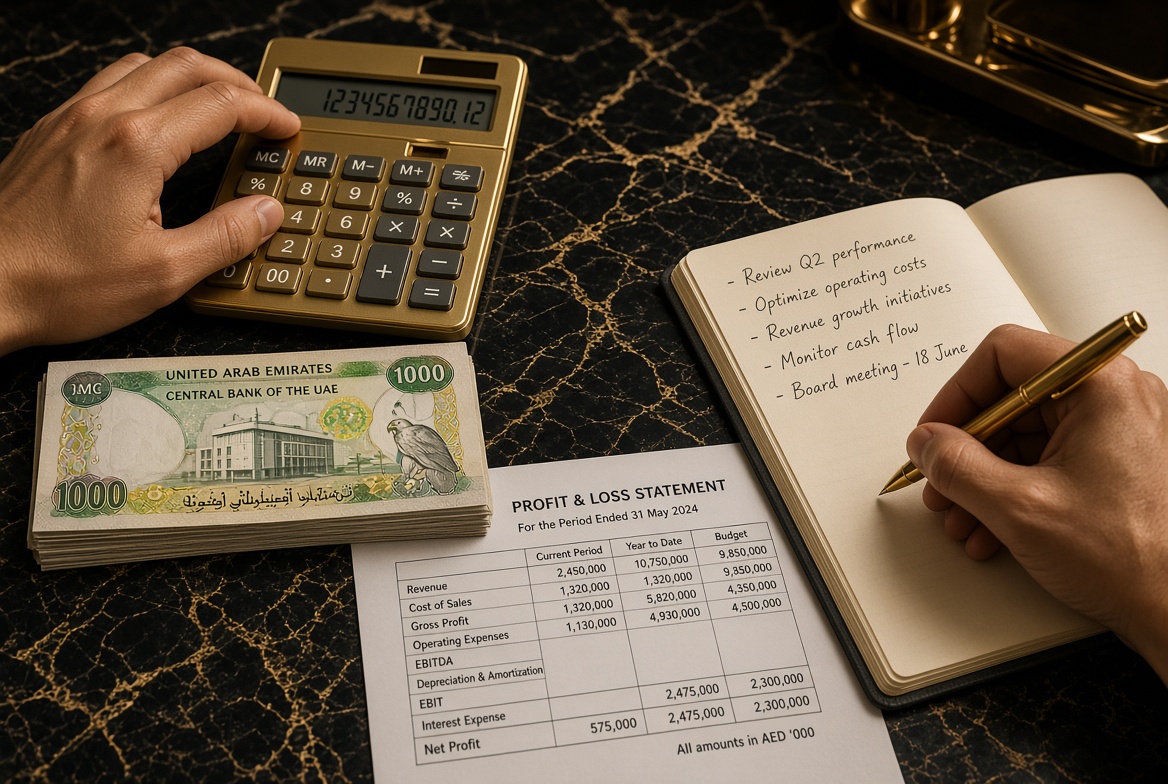
A typical profitable small grocery in Dubai runs:
- Monthly revenue: AED 150,000–300,000
- Monthly expenses: AED 70,000–120,000
- Net monthly profit: AED 20,000–50,000
If the numbers don't match the bank statements, that's a red flag — not a negotiation point.
Step 5 — Know What You're Paying For
Grocery businesses in Dubai are priced based on a mix of:
- Goodwill (the customer base and established trade)
- Fit-out value (chillers, freezers, shelving, POS systems)
- Stock value (usually transferred separately at cost price)
- Remaining lease term (longer leases command higher prices)
Typical asking prices range from AED 200,000 for a small baqala to AED 1.5M+ for a full supermarket in a premium community. Always negotiate goodwill based on verifiable profit, not on claimed figures.
Step 6 — Sign an NDA Before Seeing Full Financials
Sellers won't hand over bank statements, POS data, or supplier contracts without a signed NDA. This protects both parties and is standard practice in Dubai business brokerage. Once the NDA is in place, you should receive a full information memorandum before making an offer.
At BFS, we handle the full process — NDA, due diligence coordination, financial verification, and deal structuring — so you're not navigating this blind.
What Most Buyers Get Wrong
- Trusting claimed revenue without verifying statements. Always verify against POS and bank records.
- Ignoring the stock valuation. AED 200,000–400,000 in stock can double your entry cost.
- Not checking the remaining lease term. A 6-month lease with no renewal guarantee is a serious risk.
- Skipping due diligence on violations. Any outstanding Municipality or DED violations transfer with the business.
- Underestimating staff handover. Experienced grocery staff are an asset — confirm who stays on.
Ready to Buy a Grocery in Dubai?
Browse our current grocery and supermarket listings on BusinessesForSale.ae, or contact the BFS team directly .
.jpg)






Sharing Is Caring!