


.jpg)


Dubai's fashion retail market is one of the most resilient and fastest-growing in the region. The UAE's fashion market revenue is set to grow from US$23.54 billion in 2024 to US$41 billion by 2029, and global fashion executives ranked the Middle East as the most promising region in the world for the sector. For buyers, that growth creates a genuine opportunity — but only if you approach the acquisition with the right process. Here is exactly what you need to know before buying a fashion boutique in Dubai.
1. Understand Why Buying Beats Starting From Scratch
Opening a fashion boutique from zero means securing a location, completing a full fit-out, building inventory, and waiting months before a single sale. Buying an existing, turnkey boutique skips all of that. You inherit a fitted space, an operational setup, and — in many cases — an established customer base and supplier relationships. In premium locations like Jumeirah, Downtown, or DIFC, the fit-out alone can represent the majority of the acquisition cost, meaning a turnkey purchase often works out significantly cheaper and faster than building new.
2. Choose the Right Location
Location determines almost everything in fashion retail — footfall, brand positioning, and the customer profile you'll attract. Fashion Avenue in Dubai Mall now ranks 11th worldwide for retail rents, with prime rents rising 9% year-on-year, placing Dubai among the top five global cities for rental growth. That kind of demand at the very top end shows how competitive prime retail space has become — and why an existing, well-located lease can be a significant asset in itself.
Beyond the super-prime malls, areas like Jumeirah, Al Wasl, City Walk, and Box Park offer strong footfall with more accessible rents, ideal for boutique-format fashion retail. Neighbourhood retail centres in areas like Al Barsha are also reaching full occupancy within a year of completion, reflecting how broad and resilient demand has become across the city, not just in flagship malls.
3. Get the Trade License Picture Right
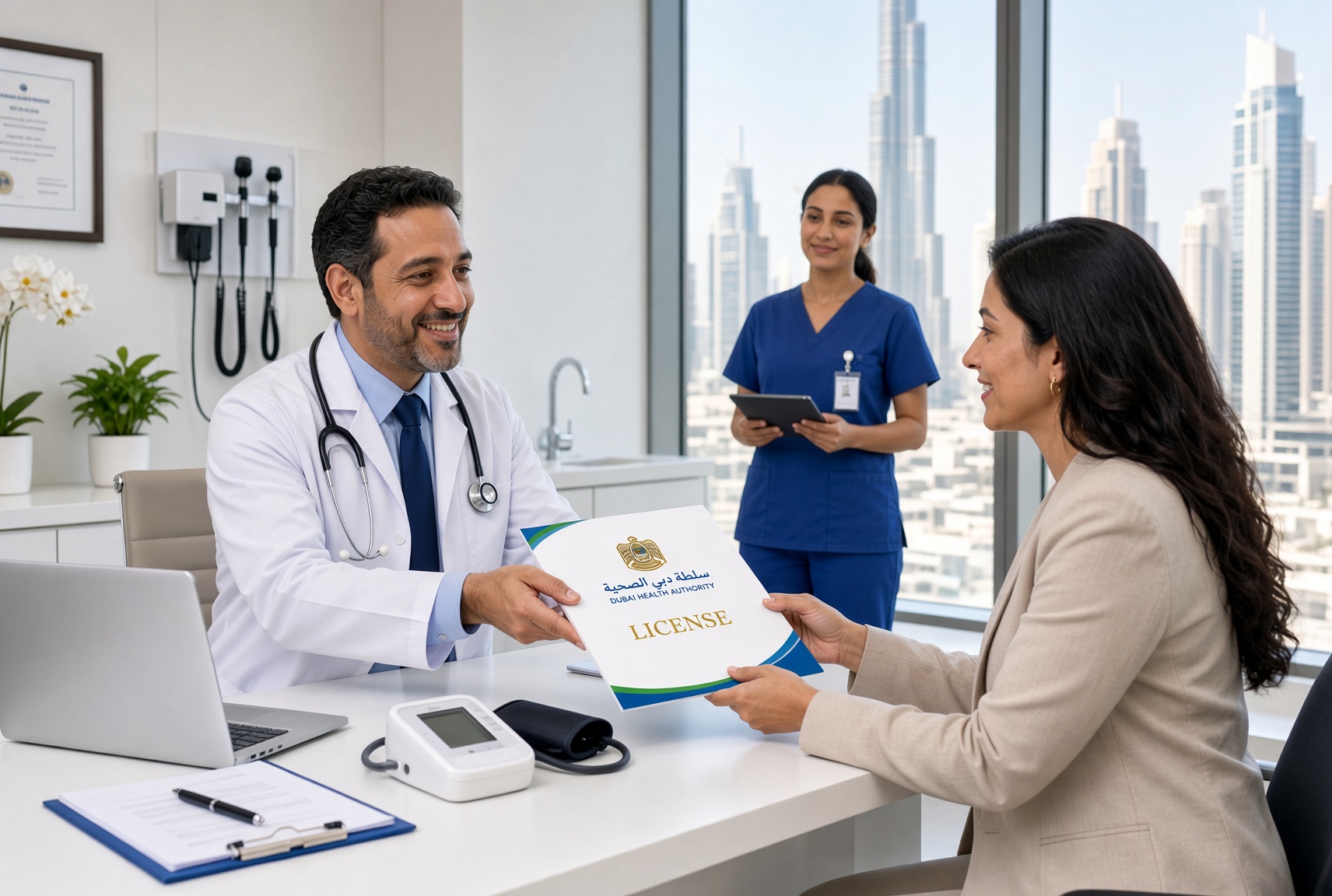
A fashion boutique in Dubai typically operates under a commercial trade license issued by the Department of Economy and Tourism (DET). A commercial trade licence in Dubai ranges from AED 10,000 to AED 25,000 for the licence fee alone, with total first-year costs — including office rent, MOA notarisation, establishment card, and one investor visa — typically falling between AED 35,000 and AED 55,000 for a mainland setup.
When buying an existing boutique, the license is usually transferred rather than reissued from scratch, which can save time — but it still must reflect your business activity correctly. A mainland commercial license is the right choice if your customers are primarily UAE-based and you're operating a physical retail shop or showroom, which applies to nearly every boutique-format fashion business.
4. Verify the Lease Terms Carefully
The lease is often the single most valuable asset in a boutique acquisition — especially in high-demand areas. Before committing, confirm:
- Remaining lease duration and renewal terms
- Whether the lease is transferable to a new owner without renegotiation
- Annual rent escalation clauses
- Whether the landlord requires a new security deposit on transfer
- Any restrictions on business activity or branding tied to the lease
A short remaining lease term on an otherwise attractive boutique can significantly change the real value of the deal — factor this into your offer.
5. Review the Inventory and Supplier Agreements
Unlike many service-based businesses, a fashion boutique's value is partly tied up in physical stock. Before finalising any deal:
- Get a full, dated inventory count with cost and retail values
- Confirm whether inventory is included in the asking price or priced separately
- Check supplier and brand agreements — are they transferable, exclusive, or tied to the current owner personally?
- Identify slow-moving or dead stock that may need to be discounted or written off post-acquisition
If the boutique carries third-party or licensed brands, confirm directly with the supplier whether the distribution or stockist agreement transfers with ownership — this is a common point sellers gloss over.
6. Look Closely at the Numbers
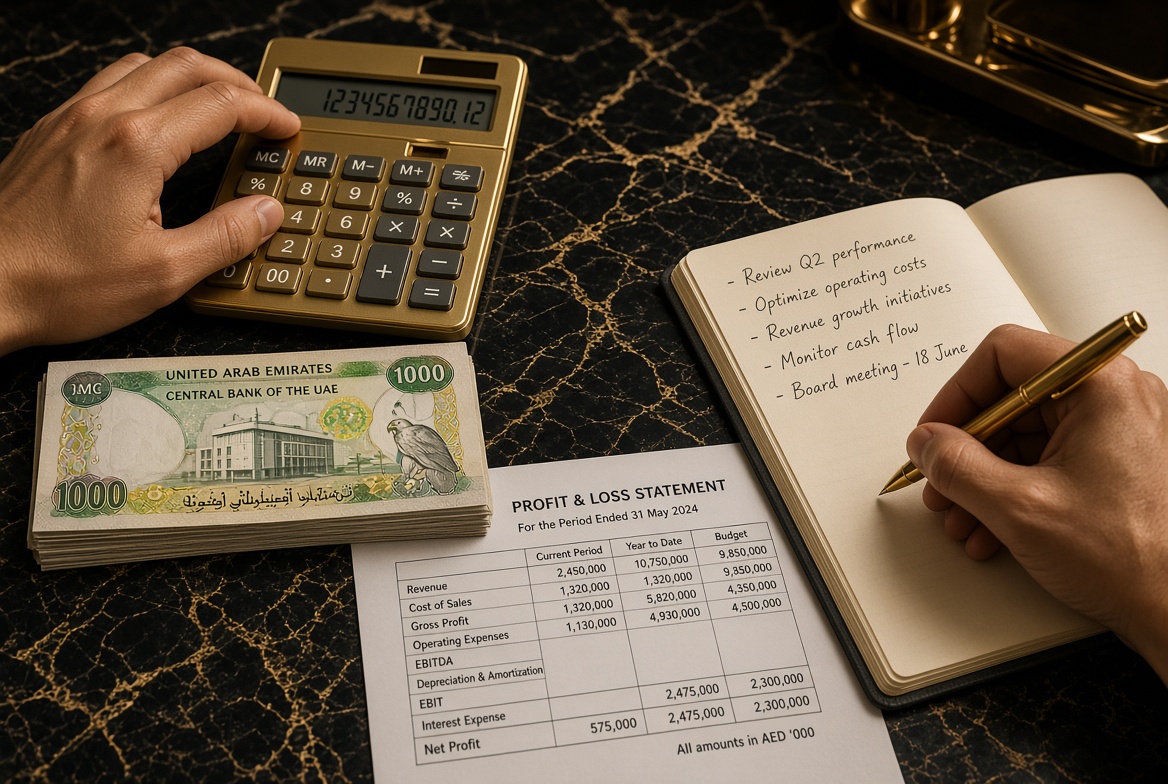
Request a minimum of 12 to 24 months of financials, including:
- Monthly sales by category (if available)
- Gross margin by product line
- Operating costs, including rent, salaries, and utilities
- Seasonal sales patterns (Dubai Shopping Festival, Ramadan, summer slowdown)
Fashion retail margins vary significantly by segment — mass-market and fast fashion typically run lower margins with higher turnover, while premium and luxury boutiques carry higher margins on lower volume. Make sure the boutique's positioning and its numbers actually align before you value the business.
7. Sign an NDA Before You See Anything
Never review financials, supplier lists, or lease documents without a signed NDA. A serious seller will expect this and a credible broker will insist on it before sharing sensitive information. This protects both sides and ensures only qualified buyers get access to commercially sensitive details.
8. Understand the Market You're Buying Into
Dubai's fashion retail sector isn't a single market — it spans mass-market, fast fashion, mid-premium, and luxury, each with very different dynamics. International brands account for 65% of the UAE fashion retail sector, but local and independent boutiques continue to carve out strong positions, particularly in modest fashion, contemporary design, and curated multi-brand retail. The UAE luxury fashion market alone is projected to grow from USD 1.27 billion in 2024 to USD 1.83 billion by 2033, driven largely by the UAE's position as a top global destination for high-net-worth individual relocation. Understanding exactly where a boutique sits in this spectrum will shape both your valuation and your growth strategy after acquisition.
9. Plan the Handover Period
Agree on a clear handover timeline with the seller — typically 2 to 4 weeks — covering supplier introductions, staff transition, POS and inventory systems, and customer database handover if applicable. A rushed handover is one of the most common reasons buyers lose momentum in the first few months of ownership.
10. Complete the DET Transfer
Once terms are agreed, the trade license transfer process at the Department of Economy and Tourism typically takes 2 to 6 weeks, depending on whether any activity amendments are required. If the lease, supplier agreements, and inventory transfer have already been confirmed in advance, this final step moves quickly.
Ready to buy a fashion boutique in Dubai?
BFS currently has fashion and retail opportunities available across Dubai's most sought-after locations, including a turnkey premium boutique at Jumeirah Al Wasl Port. Contact us today for a confidential consultation.
.jpg)


Sharing Is Caring!