


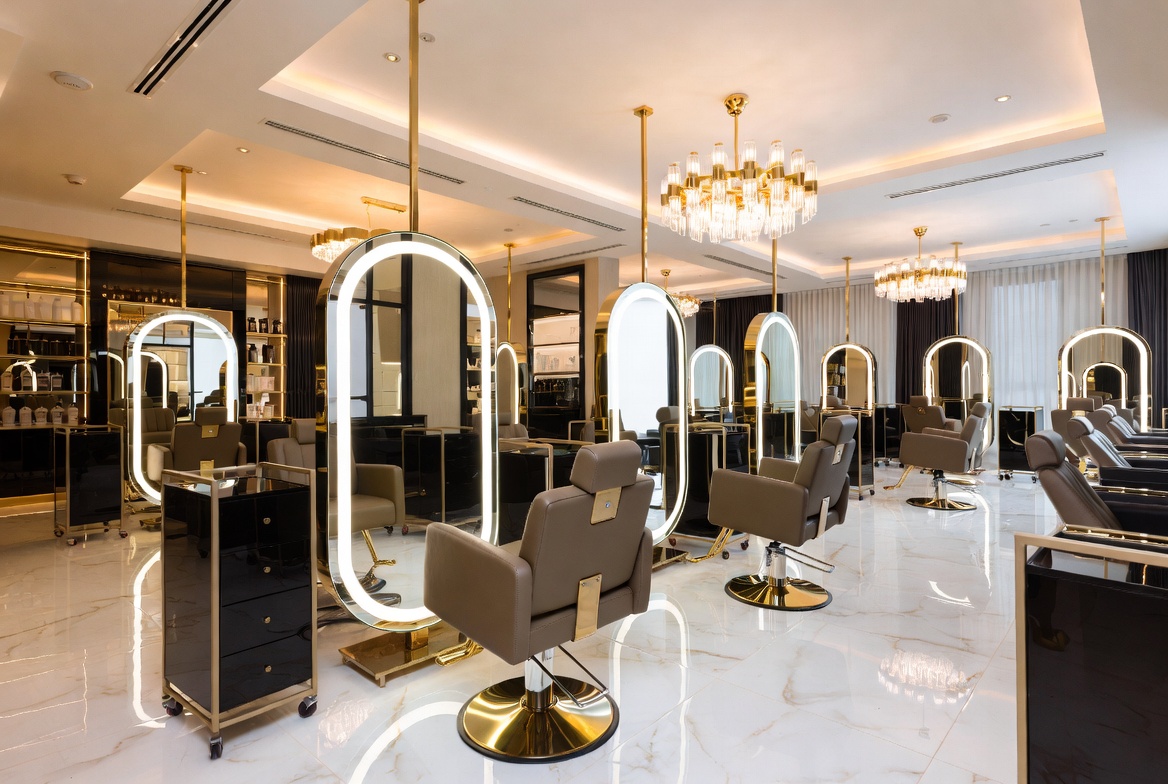


Dubai's beauty salon sector is one of the most active business categories in the emirate — and one of the most searched. The UAE beauty and personal care products market was valued at USD 3.29 billion in 2025 and is projected to reach USD 4.68 billion by 2031, growing at a compound annual rate of 6.05%. For buyers, that growth translates directly into foot traffic, repeat customers, and a resilient revenue base. But buying a salon is not the same as starting one — and the due diligence process is specific. Here is exactly what you need to know before purchasing a beauty salon in Dubai in 2026.
1. Understand Why Dubai's Beauty Market Is Structurally Strong
Salon demand in Dubai doesn't follow the patterns of most markets. The city's population is overwhelmingly composed of expatriates from over 185 nationalities, all with year-round grooming needs and high discretionary spending. The UAE salon industry is growing at a 7.2% CAGR through 2032, with per capita personal care spend climbing steadily — a rate that reflects not just population growth, but a genuine cultural premium placed on appearance and grooming across every demographic segment.
Unlike sectors tied to tourism peaks or corporate cycles, salon revenue is driven by repeat visits on regular schedules — haircuts, colour treatments, nails, facials, waxing. This recurring, subscription-like revenue pattern is exactly what makes a well-run salon so attractive as an acquisition.
2. Know the Difference Between Buying and Starting
Opening a beauty salon from scratch in Dubai means securing a space, completing a full fit-out to Dubai Municipality standards, hiring and licensing staff, building a client base, and waiting months before consistent revenue appears. Total setup costs for a new salon in Dubai range from AED 260,000 to AED 800,000, depending on size, location, and fit-out quality — before a single dirham of revenue is earned.
Buying an existing, operational salon eliminates most of that risk. You inherit a fitted space, an established client database, trained staff, active supplier relationships, and a business with a financial track record you can actually verify. For most buyers, particularly first-time business owners, acquisition is a faster and lower-risk path than building from zero.
3. Get the Licensing Picture Right Before You Commit
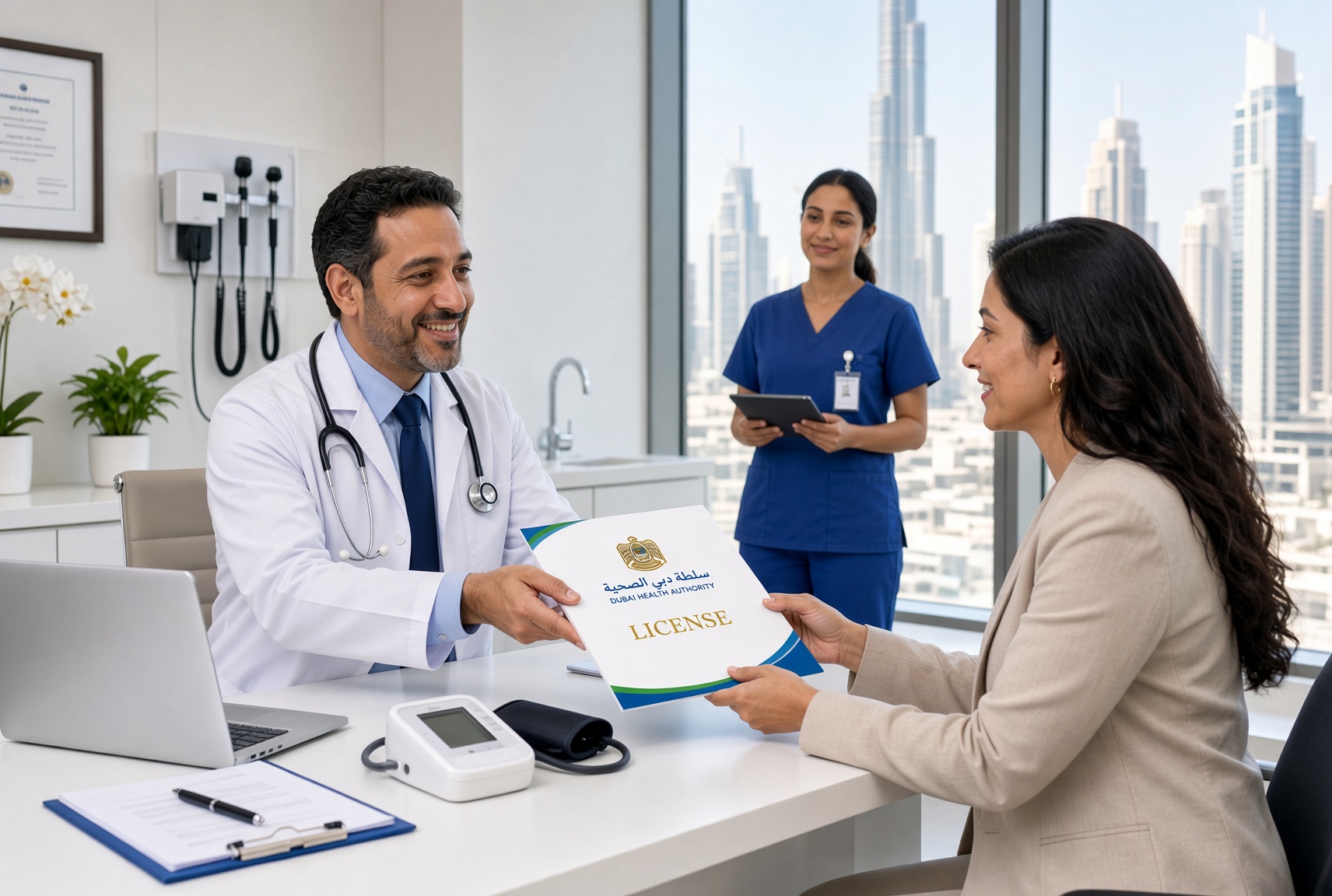
A beauty salon in Dubai requires a professional trade license from the Department of Economy and Tourism (DET), plus approvals from Dubai Municipality and a health permit from the Dubai Health Authority (DHA). A standard beauty salon trade license through Dubai DET typically costs between AED 8,000 and AED 18,000 annually, with a separate DHA health permit adding AED 3,000 to AED 6,000 — bringing total annual regulatory licensing costs to between AED 11,000 and AED 24,000.
When acquiring an existing salon, the license must be formally transferred to the new owner — not simply inherited. Confirm the following before any offer:
- The license activity codes match the actual services being offered (ladies' salon, gents' salon, and nail or skin services each have distinct codes)
- There are no outstanding violations, fines, or pending municipality inspections
- DHA Occupational Health Cards are in place for all relevant staff — a card from the Dubai Health Authority is required for every worker providing beauty treatments; inspectors issue penalties immediately if these are absent
- The license is in good standing and eligible for renewal and transfer
4. Verify the Dubai Municipality Fit-Out Compliance
Dubai Municipality has strict and specific physical requirements for beauty salons — and these are checked during inspection. Separate designated areas are required for services such as pedicure, manicure, hair removal, and henna, and a dedicated washbasin must be installed in the facial treatment area. Ceiling heights, ventilation, plumbing, lighting, and partition standards are all regulated.
When buying an existing salon, you are also buying its physical compliance status. Before signing anything, confirm that the salon has passed its most recent Dubai Municipality inspection without outstanding deficiencies. Any unresolved compliance issues become your problem — and your cost — the moment the transfer completes.
5. Review the Financials With the Right Lens
Request a minimum of 12 to 24 months of trading data. For a salon, the key figures to analyse are:
- Monthly revenue broken down by service category (hair, nails, facials, waxing, other)
- Average transaction value and visit frequency per client
- Staff costs as a percentage of revenue — this is typically the largest single cost line
- Rent as a percentage of revenue — ideally below 15 to 20% for a healthy salon
- Seasonal patterns — Dubai salons typically see dips in July and August as residents travel
A well-positioned mid-range salon in Dubai generates between AED 30,000 and AED 80,000 per month in revenue, while premium salons in high-footfall locations can exceed AED 150,000 monthly. Match the seller's claimed figures against point-of-sale records and bank statements — not just summary reports.
6. Assess the Location Critically
In salon acquisitions, location is not just about footfall — it's about the right footfall. A salon in a residential tower serves a different demographic and repeat-visit pattern than one in a mall corridor or a standalone villa community. Neither is inherently better, but the business model, pricing, and client expectations differ significantly between them.
Key location factors to verify:
- Remaining lease term and annual rent escalation clauses
- Whether the landlord requires a new security deposit or lease renegotiation on transfer
- Parking availability for clients — a genuine decision factor in Dubai
- Proximity to competing salons and their positioning relative to this one
- Whether the client base is genuinely tied to the location, or primarily tied to a specific staff member
That last point matters enormously in salon acquisitions. A salon whose revenue is driven by one or two key stylists who could leave post-sale carries significantly higher risk than one with a distributed, loyal client base tied to the location itself.
7. Understand the Staff Transfer
Salon staff in Dubai operate under MOHRE-regulated employment contracts. When you acquire a business, you are typically taking on responsibility for existing staff — their visa sponsorships, WPS payroll compliance, and end-of-service entitlements. Before completing any deal, confirm the full headcount, their visa and labour contract status, any outstanding MOHRE issues, and whether key staff have indicated they intend to stay post-handover.
Negotiate a structured handover period — typically two to four weeks — during which the seller introduces you to the team, suppliers, and key clients, and helps ensure continuity of operations through the transition.
8. Factor In VAT and E-Invoicing
From 2026 onwards, UAE businesses are required to use electronic invoicing, with salon POS data needing to flow directly to the FTA platform. VAT registration at 5% is required once annual turnover exceeds AED 375,000 — a threshold most established Dubai salons will exceed. Confirm that the existing salon's VAT registration is current, that returns are filed correctly, and that the POS system is compliant with e-invoicing requirements before you take ownership.
9. Sign an NDA Before You See Any Numbers
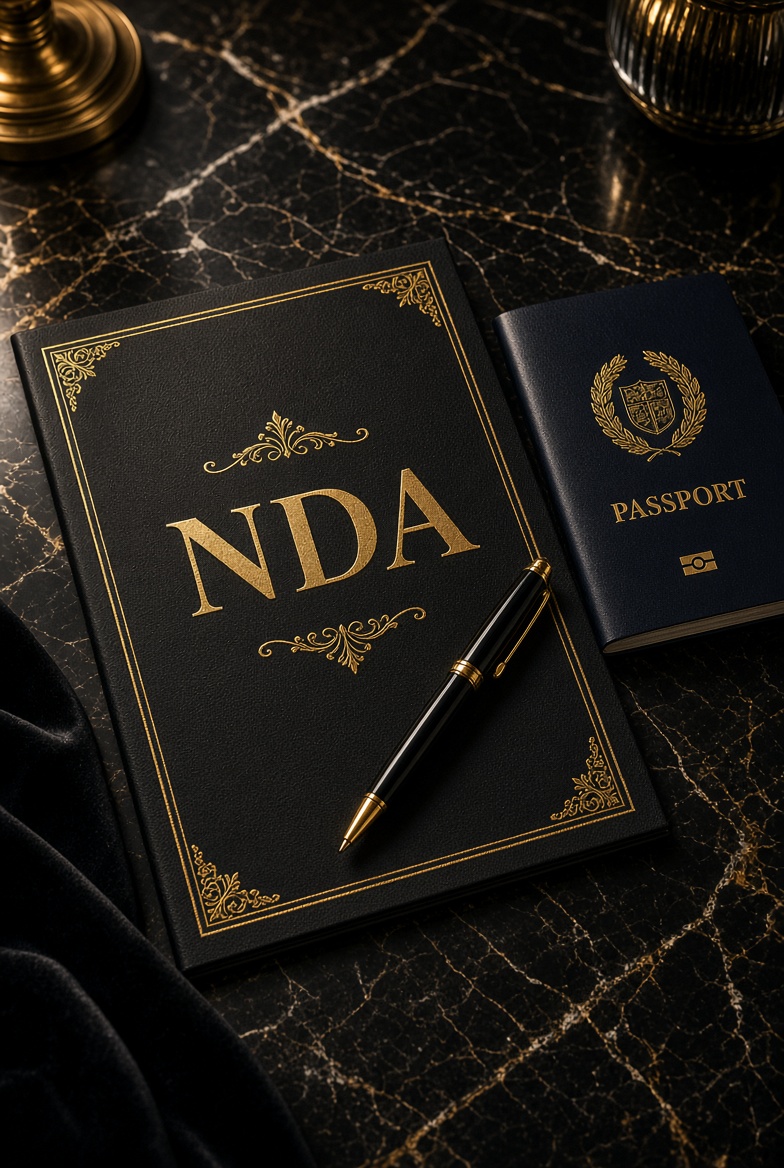
Never review financials, staff details, supplier contracts, or lease documents without a signed NDA in place. A serious seller and a credible broker will both insist on this as the first step — and it protects both parties equally throughout the process.
Ready to buy a beauty salon in Dubai?
BFS currently has beauty salon listings across Dubai's most active locations. Contact us today for a confidential consultation and access to our vetted beauty salon inventory.
.jpg)


Sharing Is Caring!